
obscure privacy glass
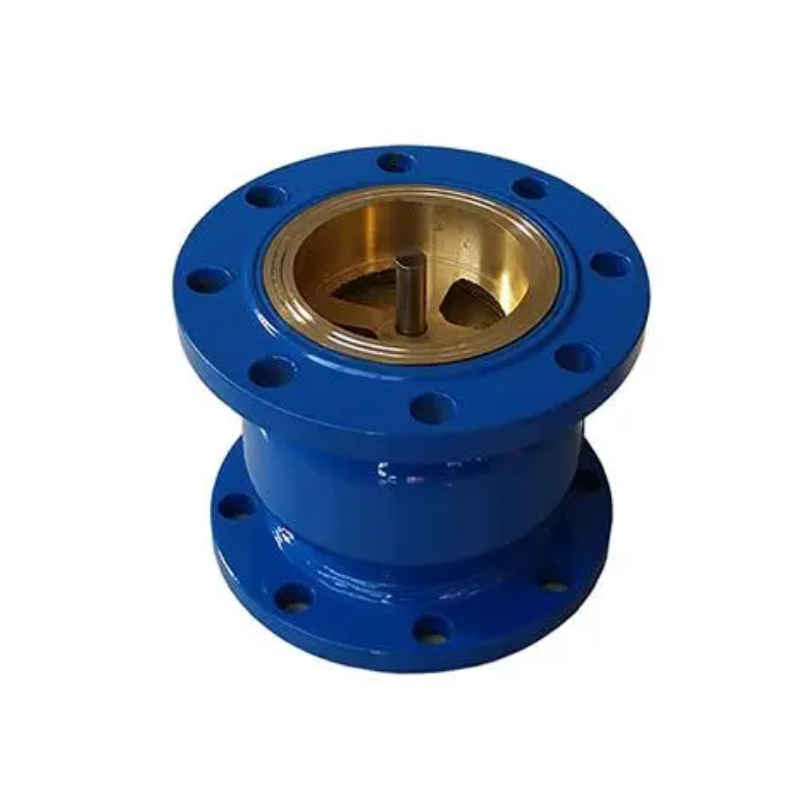
Understanding One-Way Water Check Valves In various industrial and residential applications, maintaining control over the flow of liquids is paramount. One of the most effective devices for this purpose is the one-way water check valve. This essential component prevents backflow, ensuring that water or other fluids only move in one designated direction. Understanding how these valves work, their benefits, and their applications can help users make informed decisions when installing or maintaining water systems. How One-Way Water Check Valves Work A one-way water check valve, also known simply as a check valve, operates based on the principle of pressure differential. The valve consists of two main parts the body and the disc (or flap). The body houses the inlet and outlet ports, while the disc is positioned between them. When fluid flows in the intended direction, the pressure forces the disc to lift off its seat, allowing flow to pass through. Conversely, if the fluid attempts to flow backward, the pressure drop causes the disc to fall back onto its seat, creating a seal that prevents reverse flow. This mechanism is crucial in preventing potential damage to pumps, tanks, and other components by avoiding the turbulence and pressure that can occur from backflow. The design of these valves may vary, with options like swing check valves, lift check valves, and ball check valves available for different applications. Benefits of One-Way Water Check Valves One-way water check valves come with several advantages 1. Prevention of Backflow The primary function is to stop the reverse flow of water, protecting equipment and ensuring the integrity of the system. 2. Easy Installation These valves are relatively simple to install, often requiring minimal modifications to existing plumbing systems. one way water check valve 3. Maintenance-Free Operation Most check valves do not require regular maintenance or adjustments, making them a low-maintenance option for fluid systems. 4. Versatility One-way check valves are available in various materials, styles, and sizes, making them suitable for numerous applications, from household plumbing to large-scale industrial processes. 5. Cost-Effective Solution Given their durability and low maintenance needs, check valves offer a cost-effective way to enhance the reliability and efficiency of fluid systems. Applications of One-Way Water Check Valves The applications of one-way water check valves are vast. In residential settings, they are often used in sump pumps, irrigation systems, and water heater setups to prevent backflow into the main supply lines. In industrial settings, they play a vital role in wastewater management, chemical processing, and firefighting systems, where the risk of backflow could lead to contamination or system failure. Additionally, these valves are crucial in HVAC systems, where they help in maintaining proper water flow and preventing potential damages caused by backflow. Their effective design allows for smooth operation and improved reliability in these critical applications. Conclusion In summary, one-way water check valves are fundamental components in many plumbing and fluid management systems. Their ability to prevent backflow ensures the safety and efficiency of various operations, from residential water systems to complex industrial applications. By understanding their mechanism, benefits, and applications, users can appreciate the vital role these valves play in maintaining fluid control and system integrity. Investing in quality one-way check valves is an investment in the longevity and reliability of water systems.
about
obscure privacy glass
Paano Palitan ang isang Water Valve Ang mga water valve ay mga mahalagang bahagi ng ating plumbing system. Sila ang nagkokontrol ng daloy ng tubig sa ating tahanan, kaya't mahalaga na maayos ang kanilang kondisyon. Kung ikaw ay nakakaranas ng mga problema sa iyong water valve, maaaring oras na upang palitan ito. Narito ang isang detalyadong gabay kung paano palitan ang isang water valve. 1. Pagkilala sa Uri ng Water Valve Bago ang anumang hakbang, mahalagang malaman ang uri ng water valve na kailangan mong palitan. Mayroong iba't ibang klase ng valve tulad ng ball valve, gate valve, at globe valve. Ang bawat isa ay may kanya-kanyang mekanismo at paggamit. Suriin ang valve na nasa iyong bahay at alamin kung ano ito. Ang isang ball valve ay madalas makikita sa mga main water supply, habang ang gate valve ay karaniwang ginagamit para sa mga section ng plumbing system. 2. Paghandaan ang mga Kagamitan Bago simulan ang proseso ng pagpapalit, siguraduhing mayroon kang mga kinakailangang kagamitan. Narito ang mga bagay na kakailanganin mo - Wrench o pliers - Screwdriver - Bucket o lalagyan para sa tubig - Teflon tape o sealing compound - Bagong water valve Siguraduhin ding mayroong masilungan na pwesto para sa iyong trabaho at ilagan ang mga gamit na maaaring makasagabal. 3. Pagsasara ng Suplay ng Tubig Ang unang hakbang sa pagpapalit ng water valve ay ang pagsasara ng suplay ng tubig. Hanapin ang main shut-off valve sa iyong bahay at isara ito. Matapos isara ang valve, buksan ang gripo sa pinakamataas na bahagi ng bahay upang ma-drain ang tubig sa mga tubo. Ito ay makakatulong upang maiwasan ang pagdami ng tubig habang nagtatrabaho. 4. Pagsasara ng Valve replace a water valve Gamit ang wrench o pliers, tanggalin ang mga koneksyon mula sa lumang water valve. Kung ang valve ay may mga bolt na nakakabit, maaaring kailanganin mong gumamit ng screwdriver para sa mga ito. Hawakan ang tubo ng maayos upang hindi ito makalangoy o masira habang tinatanggal ang valve. Ilagay ang lumang valve sa balde o lalagyan upang hindi ito magdulot ng kalat. 5. Pag-install ng Bagong Water Valve Kapag natanggal mo na ang lumang valve, oras na upang i-install ang bago. Bago ikabit ang bagong valve, siguraduhing linisin ang mga bahagi ng tubo upang matiyak na walang mga debris na makakaapekto sa koneksyon. Ilagay ang Teflon tape sa mga thread ng bagong valve bago ito ikabit upang maiwasan ang pagtagas ng tubig. Kapag nailagay na ang tape, ikabit ang bagong valve sa tubo. Gamitin ang wrench upang higpitan ang mga koneksyon, ngunit mag-ingat na huwag masyadong higpitan at masira ang mga ito. 6. Pagsubok at Pag-ayos ng Leak Matapos ang pag-install, buksan ang main shut-off valve upang ibalik ang suplay ng tubig. Suriin ang bagong valve para sa anumang tagas. Kung may napansin kang tubig na nanginginig o tumutulo, maaaring kailanganin mong higpitan pa ang ilang koneksyon o i-check ang sealing tape na ginamit. Kung maayos na ang lahat at walang tagas, congratulations! Matagumpay mong napalitan ang iyong water valve. 7. Pagtatapos at Paglilinis Kapag natapos na ang lahat, siguraduhing linisin ang iyong pinagtrabahuhan. Itapon ang lumang valve at mga debris na naiwan. Mahalaga ito hindi lamang para sa iyong kalinisan kundi para rin sa tamang pag-aalaga sa iyong plumbing system. Ang pagpapalit ng water valve ay hindi sakit ng ulo kung ikaw ay maingat at handa. Sa mga simpleng hakbang na ito, maaari kang makalikha ng mas maayos na daloy ng tubig sa iyong tahanan. Kung hindi ka sigurado sa proseso, huwag mag-atubiling humingi ng tulong mula sa isang propesyonal na plumber.
-

High quality industrial productsagement

High quality industrial products
View Details -

Meet the diverse needs of customers

Meet the diverse needs of customers
View Details -

Strict quality control

Strict quality control
View Details -

Top raw materials

Top raw materials
View Details -

Trusted supplier

Trusted supplier
View Details
Our application


news and information
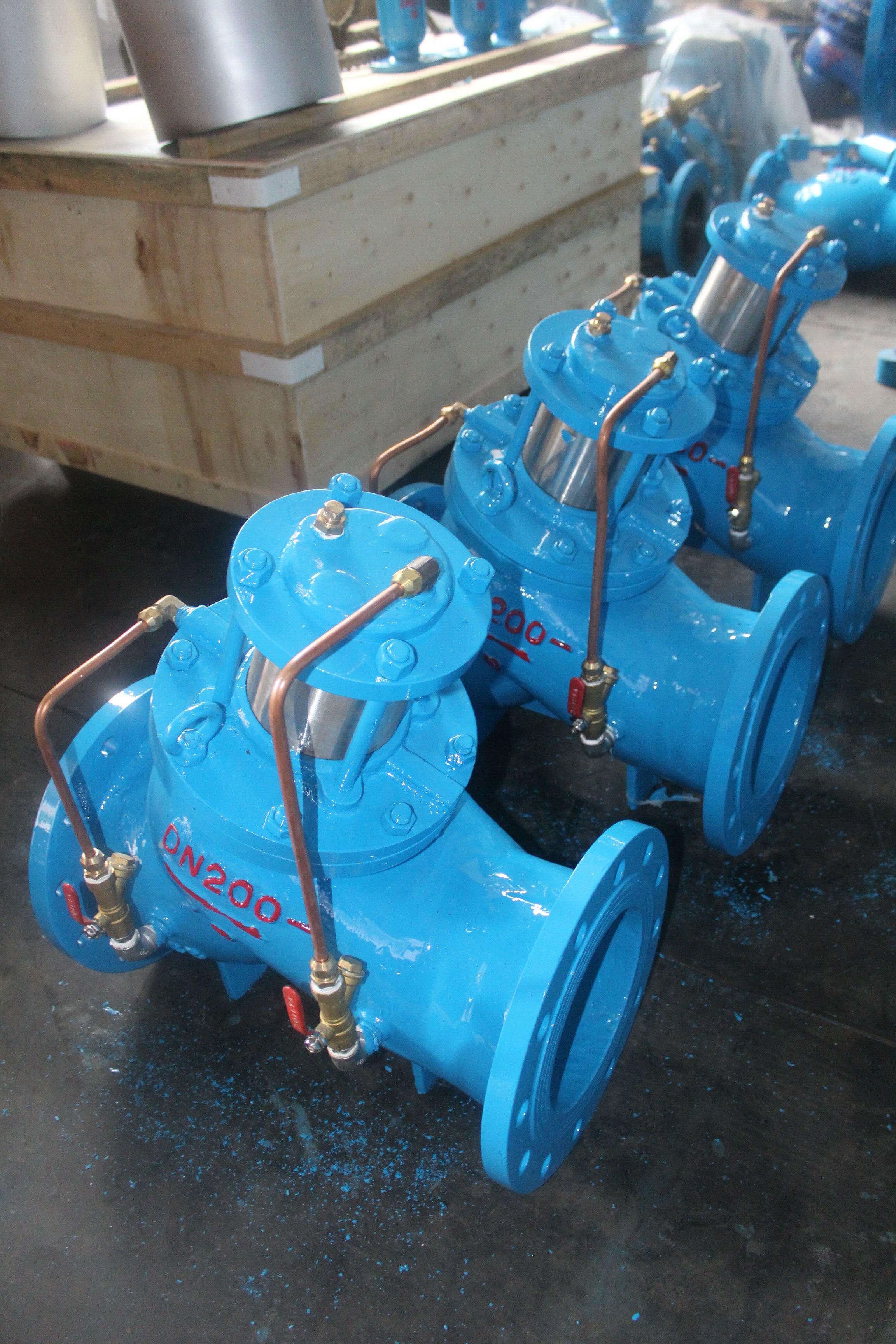
Y Type Strainer Function
In the world of fluid mechanics and piping systems, maintaining the efficiency and longevity of equi
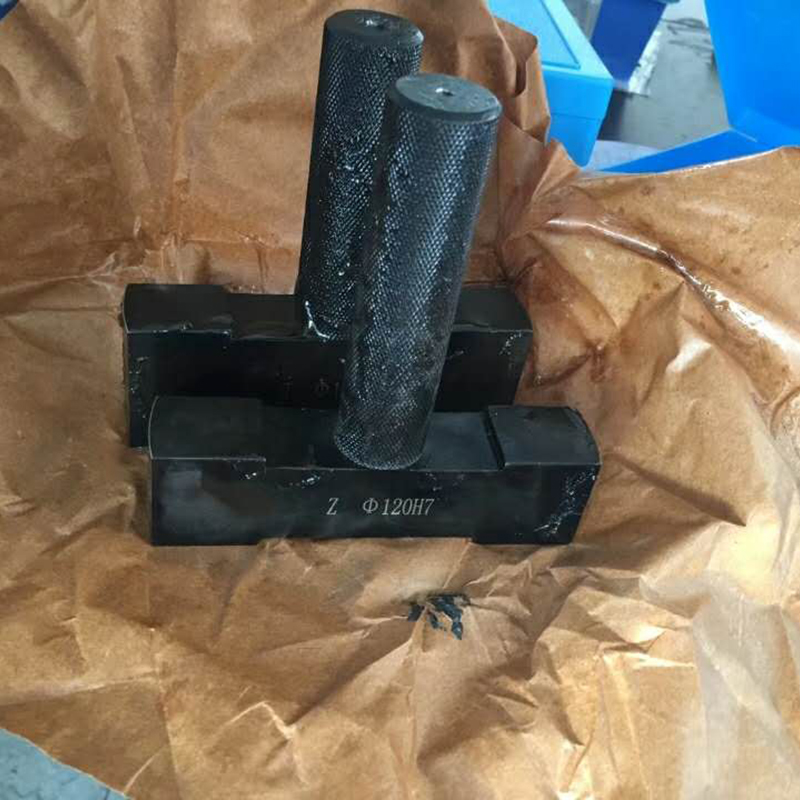
Valve for Sale Top Quality Guaranteed
Discover the perfect valve for your specific needs with our comprehensive guide to valves for sale.
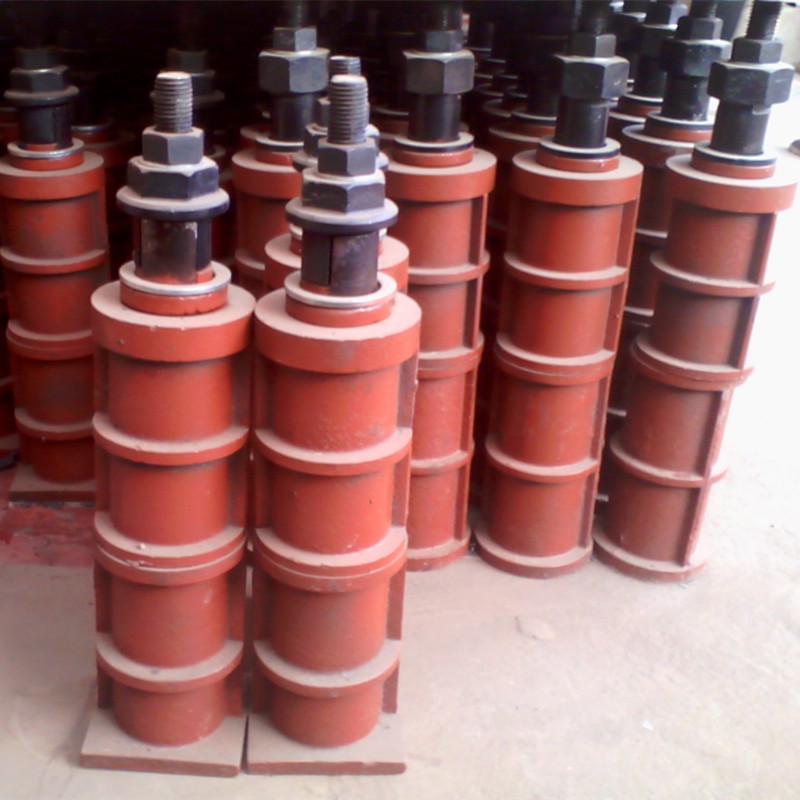
Valvola filtro tipo y
La Valvola Strainer di Tipo Y Importanza e Funzionamento La valvola strainer di tipo Y è un componen
 English